 " />
" />
Delivering Multi‑Benefit Conservation Outcomes at Shasta Red Fir
About
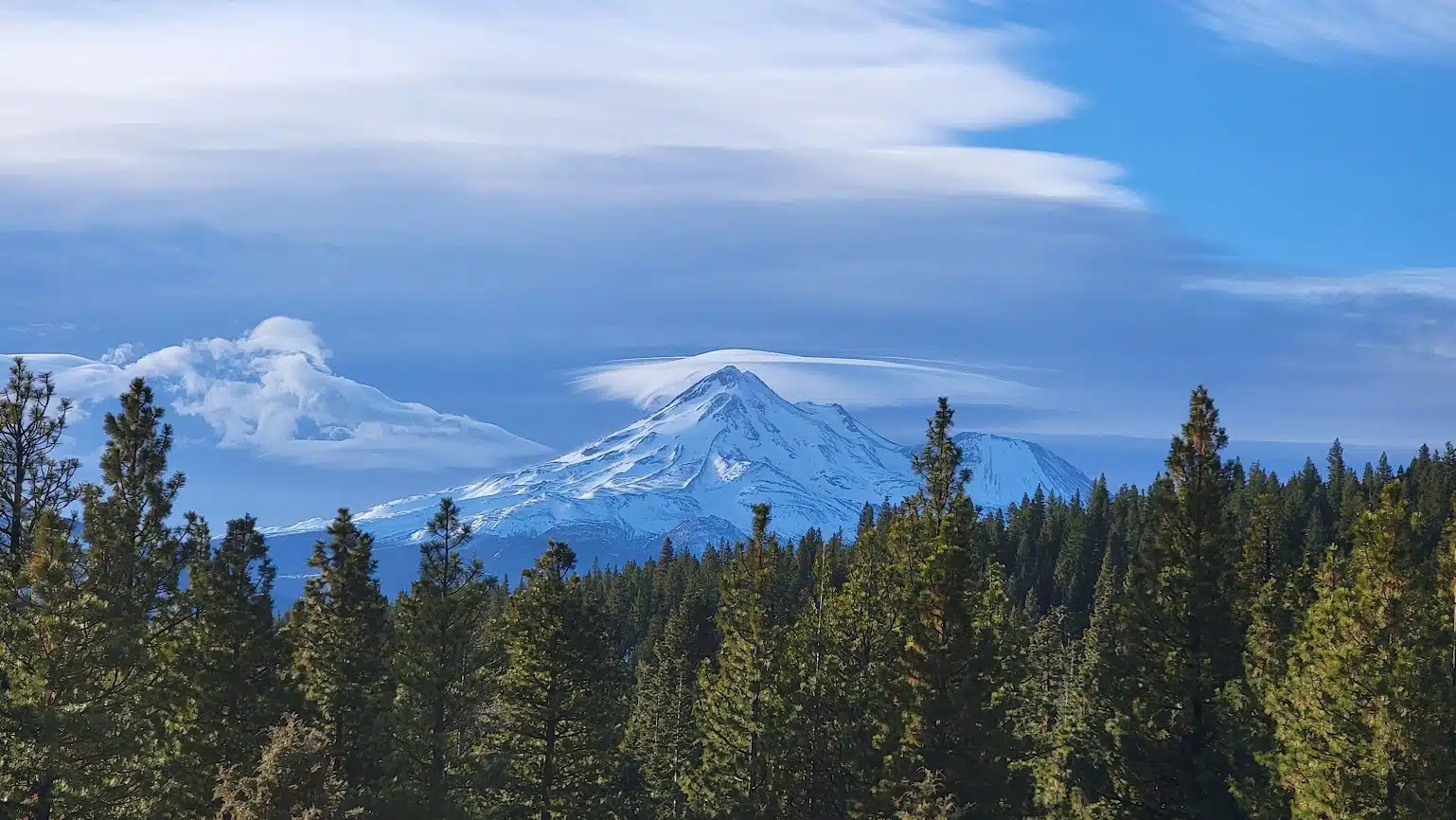
The Shasta Red Fir tract is an almost 800 acre high-elevation inholding located on the side of Mount Shasta, a prominent northern California landmark, adjacent to the popular Bunny Flat trail. New Forests has managed the property since 2018 as part of the Shasta Cascade Timberlands (SCT) estate, a key investment in the U.S. for New Forests and its investors. New Forests manages more than 165,000 acres on behalf of investors in SCT.
The site contains mature and multi-aged stands of Shasta Red Fir, a rare subspecies found only in limited regions of northern California and southern Oregon. Elevations range from 6,000 to 7,200 feet and include gently sloping terrain, forested canopy, and seasonal drainages that contribute to the upper Sacramento River watershed. As one of the region’s last remaining private inholdings, the tract is situated within otherwise contiguous National Forest System lands and presents an important opportunity for consolidation and long-term conservation.
Key Initiative
In early 2026, New Forests agreed to sell Shasta Red Fir from SCT to the U.S. Forest Service through the Land and Water Conservation Fund.
The property’s significant economic, environmental, cultural, and recreational values were key reasons for the transfer. The Siskiyou County Board of Supervisors, for example, recognises its economic and recreation benefits. Conservation groups such as the Trust for Public Land and Siskiyou Land Trust support the transfer for its ecological importance and role in preventing subdivision or development. Recreation organisations, including Shasta Mountain Guides and the Siskiyou Outdoor Recreation Alliance, emphasise the need for expanded, well-managed access amid rising visitations. Cultural stakeholders value the project’s potential to reduce impacts to sensitive tribal sites such as Panther Meadows.
Impact
Transferring the Shasta Red Fir tract offers substantial benefits for recreation, stewardship, and ecological resilience. Ecologically, the parcel protects a rare and climate-resilient red fir forest that supports species such as Sierra Nevada red fox, western bumble bee, American marten, and American goshawk. Consolidation of mid- to high-elevation habitat corridors allows for upslope species movement in response to changing climate conditions and helps sustain watershed functions essential to the Sacramento River system.
Expanded public lands allow for improved management of overcrowding at nearby Bunny Flat by creating space for additional day-use parking, overnight camping, and climber staging. Winter recreation opportunities can be improved through clear separation of motorised and non-motorised uses, reducing longstanding user conflicts.
From a resource management perspective, the property’s existing powerline corridor presents an opportunity to develop new drinking-water sources, easing pressure on sensitive springs at Horse Camp and Panther Meadows.
Conclusion
The transfer of Shasta Red Fir is a strategic, multi-benefit opportunity that advances conservation, recreation access, cultural protection, and climate resilience on one of California’s most iconic mountains. By bringing this property into public ownership, the U.S. Forest Service can reduce recreational pressure on sensitive areas, enhance visitor experience, improve watershed and habitat continuity, and support the regional economy.
JD Marshall, Director, Asset Management at New Forests, United States said:
With strong stakeholder backing and clear alignment with long-term management goals, this acquisition represents a timely and impactful investment in Mount Shasta’s future and guarantees that this parcel will continue to be managed in an ecological and multi-beneficial manner in the future.
New Forests is proud to work with local and national partners alongside other key stakeholders to deliver and sustain the myriad recreational, stewardship, and resilience benefits of natural working landscapes.
Delivering on Sustainable Development Goals