 " />
" />
Demystifying How to Measure Nature
Nature-related reporting standards, metrics and tools have proliferated fast, leaving many investors unsure where to start.
In this article, New Forests examines the evolving landscape of nature measurement, reviews the frameworks currently available, and provides guidance to help investors navigate this emerging field.
The complexity of measuring nature
Nature is harder to measure than climate. It is multi-dimensional, highly location-specific, and often constrained by inconsistent data across geographies and asset types. Different frameworks answer different questions, some focus on risk and disclosure, others on ecosystem outcomes or the valuation of ecosystem services, and treating them as interchangeable misses the point.
Investors do not need to adopt every framework and standard available nor must they have all possible nature-related data. Instead, investors should focus on having the right tools and data to answer relevant questions and inform capital allocation decisions.
A decision-led approach: three layers of data
New Forests builds its nature measurement in layers rather than chasing every available data point:
- Portfolio-scale baseline — remote sensing and global datasets to flag where nature-related risks and opportunities concentrate.
- Operational reality — asset-level data collected directly from property managers twice a year.
- Targeted field verification — ground-based checks and stakeholder engagement so results hold up locally, not just on a map.
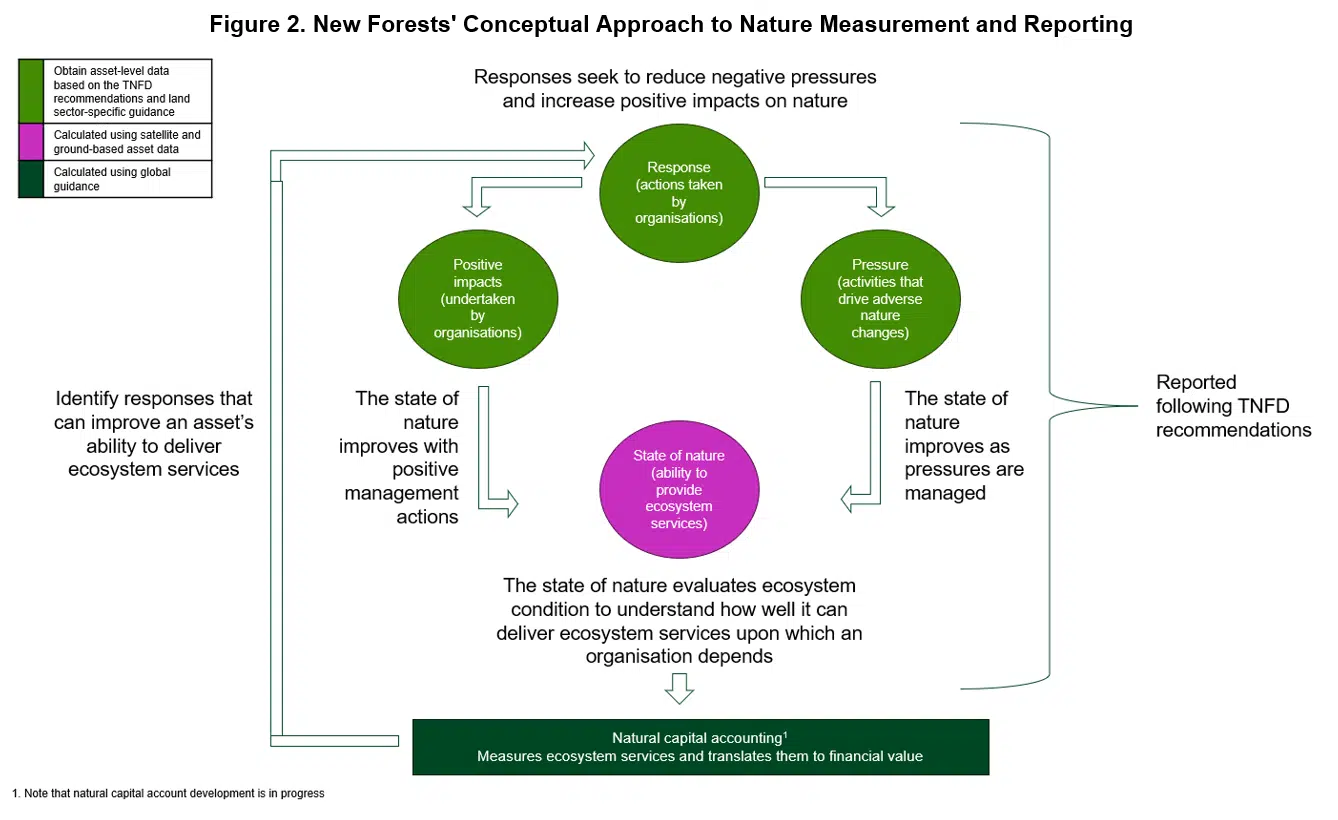
Figure 2 — New Forests’ Conceptual Approach to Nature Measurement and Reporting, PDF page 4
Why the frameworks work together
Asset data shows what happened on the ground. State of Nature metrics show how ecosystems respond over time. Natural capital accounting translates ecosystem services into financial value. Taskforce on Nature related Financial Disclosures structures how all of this gets disclosed. Used together, they give a more complete picture than any single framework alone, as New Forests’ African Forestry Impact Platform (AFIP) has shown by using satellite and ground-based data to prioritise restoration areas against its biodiversity targets
What’s next
A decision-led measurement stack won’t wait for every standard to settle, and New Forests’ view is that investors don’t need to wait either. Investors should focus on having the right tools and data to answer relevant questions and inform capital allocation decisions.
Download the full article here
Delivering on Sustainable Development Goals